
Deposition of Renee Perry, pt.4
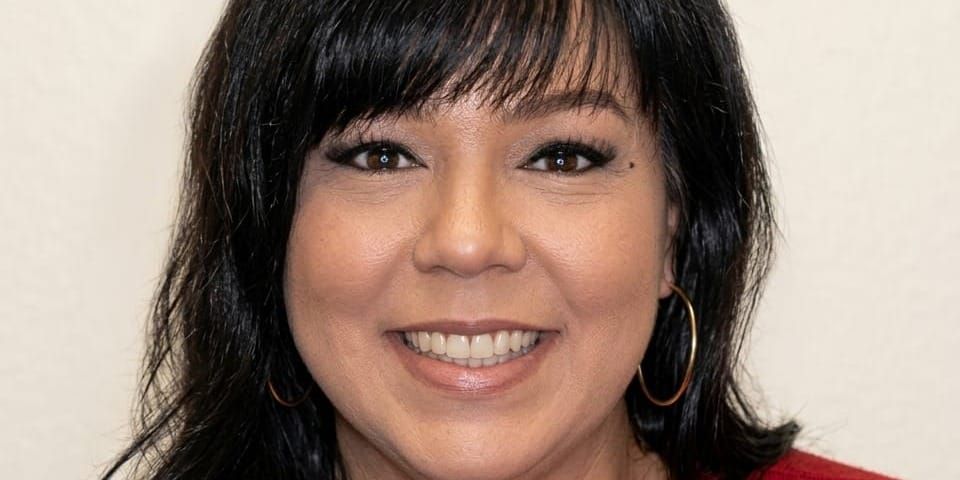
Part 4 of 4 · Deposition of Renee Perry · October 23, 2026
Isaac v. Boshart Davis et al., No. 6:25-cv-01159-MC (D. Or.) — video-recorded deposition of Renee Perry, taken by videoconference on behalf of the Plaintiff, October 23, 2026.
Who is speaking: Isaac — Plaintiff, pro se, taking the deposition · Perry — the witness, Defendant · White — Senior Assistant Attorney General, for the Defendants · Tribble — Plaintiff's noticed assistant · Court reporter — Anne Duffey. [p. references] are to Reporter's transcript.
Perry: No.
Isaac: -- asking for a trooper?
Perry: No. If you were on the third floor coming to our office. Third floor specifically because that's the letter pertaining to our specific threshold. That's it. Not the building. We had nothing to do with the building. Nothing. There -- we had nothing to do -- we were advised that there's a building, you know, conditional entrance or whatever, but we had nothing to do with that. Ours was for specifically the office and our threshold to cross into our cubicle.
Isaac: Well, that's contradicting your testimony in evidence. You did have something to do with it. You reached out proactively multiple times to law enforcement to ensure that I was being monitored. So, you did have something to do with the ban that was building wide.
Perry: In pertaining to the third floor.
Isaac: So, my question was who told you that I was on the third floor?
Perry: I don't -- I can't recall.
Isaac: Okay.
Isaac: Can you find 422? [Inaudible.]
[p. 151]
Tribble: [Inaudible.]
Isaac: May 23rd. Yeah.
Isaac: Were you ever made aware of a be on the lookout or BOLO against me?
Perry: No.
Isaac: Okay. This is the last major section before I want to go over my audio and authenticate it and it's -- okay. I want to ask you about your communication with the representative. Do you remember what you told the representative on January 27th? You said you went behind in the private door -- after the first incident, you had a -- you had a conversation with the representative and who else?
Perry: Dru Draper.
Isaac: Was there anybody else present for that meeting?
Perry: No.
Isaac: And you don't remember what was said other than what your earlier testimony was?
Perry: Correct.
Isaac: Do you know if you -- were you in the presence of the representative when she watched or heard any of the video or audio of the incidences?
Perry: No.
Isaac: Are you aware if she ever spoke with me about [p. 152] the incident?
Perry: No.
Isaac: You're not aware of?
Perry: I don't believe she -- she's never had any interaction with you, you know, on -- at that day at all so.
Isaac: Or since?
Perry: She's never had -- she's never had any interaction with you in that time.
Isaac: Right. I was there in March. Do you recall that?
Perry: No.
Isaac: In March of 2024 I came and I introduced the Military Civil Rights Act which was later SB 1057. You don't recall me being in the office?
Perry: No. I don't.
Isaac: I brought -- I brought an origami crane from Ms. -- from Senator Gelser Blouin?
Perry: Senator Gelser Blouin, no. I don't know.
Isaac: No. I'm saying I brought a gift from Gelser Blouin to Ms. Davis. That's not refreshing your memory?
Perry: No.
Isaac: Okay. What are you aware of what Ms. Davis -- Rep. Davis decided and when?
Perry: The day of the incident. The -- so.
[p. 153]
Isaac: And --
Perry: That was our phone conversation about it and we just, you know, kept everything through e-mail, how -- whatever happened, transpired, and was done was done.
Isaac: You remember communicating by e-mail with Representative Davis?
Perry: Sure. I guess. Maybe.
Isaac: Did you ever text Representative Davis?
Perry: I don't -- I don't know. Maybe.
Isaac: Did you turn over your phone to be searched for discovery?
White: Objection. Don't respond to that. That's a discovery question. You can address those questions to me at a later time.
Isaac: I'm waiting on the discovery log. You certainly understand why I have to ask a question since it doesn't appear.
White: That -- well, you can ask me about it, but not right now because I -- I don't have the answer so.
Isaac: Did Rep. Davis decide this February 7th ban?
Perry: Did she decide it? It was -- whatever advisement we got, we did it, and I drafted the letter. That's what happened. You know, she's -- she's -- she's [p. 154] busy, you know, being a representative and going to committee and going to the floor and doing her votes and, you know, keeping track of thousands of bills so this incident was -- was not a priority.
Isaac: The letter came on her letterhead. Was that enough to determine that she takes authority or takes responsibility for the ban?
Perry: She read it and approved it.
Isaac: Okay.
Perry: The final product after I got the drafts because that's what I do with every single letter that comes -- all the -- all -- all correspondence, I prepare it, she approves, we send it out. So, this is just another correspondence that she approved, we signed, and she sends it out. I send it out.
Isaac: And that reminds me. We're asking for a job description or anything that you had pertaining to when you entered this position. Did she know about the February 21st restriction before it was issued?
Perry: I don't know.
Isaac: Did she approve your February 21st request?
Perry: What February 21st request?
Isaac: For escalation?
Perry: I thought it was in early February, not late [p. 155] February.
Isaac: There were multiple.
Perry: I don't know.
Isaac: Anyway, moving on. On February 10th at 4:00, it appears as though she said to you, "Are you putting together responses to this? We should discuss how far to move forward with responses." Does -- does that ring a bell?
Perry: I guess. It sounds like regular correspondence.
Isaac: Did you discuss online or off-line?
Perry: I have no idea.
Isaac: Does anybody other than you have access to the Representative's mailbox?
Perry: Dru Draper.
Isaac: And you have implied but I'm hoping you'll confirm that you sent the February 20 -- February 5th and February 21st e-mails?
White: Objection. That question is ambiguous as to -- I don't know which -- what --
Perry: Which e-mails?
White: -- e-mails that they are.
Perry: Which e-mails are we talking about?
Court reporter: One at a time, please.
[p. 156]
Perry: Sorry.
Isaac: You send every e-mail out of that e-mail inbox. Is that accurate?
Perry: Not every single one, no. Because the representative responds to some e-mails especially during session.
Isaac: Do you know if Representative Davis sent either -- any e-mail related to this, specifically February 5th, the -- the first ban?
Perry: If it came from her e-mail, then it was sent by her e-mail.
Isaac: I'm not asking about the e-mail URL and domain. I'm asking who hit send.
Perry: I would assume I did.
Isaac: Okay. Did Representative Davis see the letter before it went out?
Perry: She had to approve it so yes.
Isaac: And on occasion, she does write from her e-mail herself, you said, correct?
Perry: About 50 percent of the time, yes.
Isaac: Have you or Representative Davis discussed this lawsuit or this deposition?
Perry: Only when it comes up.
Isaac: Anything by text or e-mail?
Perry: To advise her that I will be in depositions. [p. 157] I said, you know, I'll be in deposition, reminder.
Isaac: So, it's your testimony that you have communicated by e-mail with Representative Davis.
Isaac: I will be asking for that before the end of discovery.
White: All right. We're not going to produce that so you can ask away, but that would be protected by anticipation of litigation protection so just so you know.
Isaac: I'll note that Defendant said there was no lawyer present.
White: I didn't say there was a lawyer present --
Isaac: Unless there was --
White: You don't need a lawyer.
Isaac: Which phone was used for the January 27th and February 21st texts that you've seen earlier?
Perry: My personal phone that I no longer have.
Isaac: What happened to it?
Perry: It was stolen.
Isaac: Is there a police report?
Perry: No.
Isaac: How can I verify that it was stolen?
Perry: Because I don't -- I don't have it. Look.
[p. 158]
Isaac: There's no police report. It wasn't -- doesn't seem very valuable if you didn't report it.
Perry: It was in a junk drawer because I upgraded my phone.
Isaac: Well, it was stolen or did you discard it?
Perry: I did not discard it. It was miss -- it's gone. It --
Isaac: You earlier said it was stolen.
Perry: It depends. It was stolen. I would say -- assume it was stolen because it was in a drawer and now it's gone. So, somebody came into my house and -- you know, after the fact, and it was about -- you know, it's -- yeah. Well, I don't even know how to get into it. I don't have the phone. That's it.
Isaac: I need to make sure you didn't discard it in order to spoil evidence. So, you earlier testified it was stolen, but now you're saying you're not sure it's --
Perry: I assume it was stolen. I assume it was stolen because it was in a drawer and now it's no longer there. That's all I can assume. It -- I don't think my cat dug it out of the drawer. I don't think my husband did anything with it because he wouldn't know it was in the drawer so I assume it was stolen.
Isaac: Did you give --
[p. 159]
Perry: I cannot find it, and I'm not hiding evidence. I cannot find my phone. My old phone, I cannot find it and it's --
Isaac: And --
Perry: -- sad because I lost a whole bunch of family photos.
Isaac: Was it before or after you turned it over for discovery?
White: I'm going to object. That's a litigation related question so -- so, you don't need to answer that.
Isaac: What's the approximate date range you provided your phone for discovery?
White: That's the same question. No -- I'm not -- instructing her not to answer that. That's a discovery issue. You could ask her what her -- when she thinks her phone was stolen or, you know, when she saw it last --
Isaac: I have.
White: -- or -- well, then -- then, if she said no, it's a no.
Isaac: So, is your testimony that it was stolen or that it's missing?
Perry: I guess we will have to say officially it's missing.
[p. 160]
Isaac: Okay.
Perry: I cannot find it.
Isaac: Was it an Apple phone?
Perry: Nope.
Isaac: Did anybody notify you when the preservation requests were issued on July 3rd?
White: That's a -- that's a litigation question. I'm directing you not to answer that.
Isaac: This is an impeachable statement if she lost her phone but there's no record of it.
White: Well, it's -- it's separate from the -- the discovery which is related to the facts about the case. So, if we have a discovery issue, we'll deal with that at a later time.
Isaac: It's an evidence spoliage issue. If it's missing, when did you see it? When -- who oversaw it searching? All of that is spoliation, but I'll reserve that for the courts.
White: That's fine. Although, you can ask her when she saw it last or, you know, when the last -- you know, that's fine.
Isaac: Anne, can you confirm if I asked a time frame specific to the phone?
Court reporter: I would have to go back through many, many questions. I would --
[p. 161]
Isaac: Okay.
Court reporter: -- need time.
White: Why don't you just ask her when is the last time she saw it or knew about it, you know, being around?
Isaac: When did it go missing?
Perry: I would guess sometime last year.
Isaac: So, all of 2025 or --
Perry: No. Wait. Wait. Wait.
Isaac: -- specific?
Perry: No. Are we in 2026? I'm sorry. Sometime this year. We're in 2026, right? Yeah. So, sometime this year. I don't know.
Isaac: So --
Perry: I don't know what exact month. I just -- I don't know. I'm (pause) --
Isaac: So, you -- your office received a preservation request and after that preservation request was sent, you lost your phone?
Perry: No. I don't know.
Isaac: It's missing?
Perry: After or before. I don't know.
Isaac: Well, the preservation request went out July 3rd of 2025.
Perry: Okay.
[p. 162]
White: We're not going to discuss a -- a -- Ms. Perry, we're not going to discuss the preservation request. You can ask her when she lost her phone or when she saw it last, but we're not getting into when she got, you know, notice about this deposition or -- or litigation hold. That's something that's not for this deposition.
Isaac: Who asked you for documentation?
Perry: I don't know. I can't remember. I'll have to go look at my e-mails.
Isaac: Do you remember when somebody asked you for documentation?
White: Wait. Wait. I'm objecting. If these questions are about when like DOJ or relative to this case, she's not going to be answering that. That is not part of this deposition.
Isaac: The credibility of the Defendant is a part of litigation --
White: Well, then, it'll have to be in a different deposition, not this one.
Isaac: Tracy, if you continue to interrupt me, I'm going to note it for the record. It's --
White: Well --
[p. 163]
Isaac: -- 2:16. So, I'm asking foundational facts about the reliability of the evidence provided from Ms. Perry through the State. Those are foundational facts that are not subject to privilege. If she can't remember, that's something she gets to answer for on the stand. So, I'm not going to stop asking questions about foundational facts. So, you can reserve your objections. You can put em on the record as long as you stop interrupting me.
White: Well, no. You can put -- put your questions on the record, but I'm going to instruct her not to answer them. So, you know, you can list them out so that you can, you know, what they are, but this is not a time for this. There's no reason to think there's been any spoliation of evidence. There's no missing documents. There's just nothing. And this is -- now, if at some later date the judge were to say yes, you can have a deposition about documents and stuff, then we'll do that, but that is not now. So, I'm instructing her not to answer those questions about litigation holds and, you know, when discovery went out.
Isaac: Yeah. I'm not asking. I'm asking her when she turned something over.
White: To us.
[p. 164]
Isaac: So, I'm --
White: So, you're talking about to us, and that's contact with DOJ so that's something she doesn't -- is not going to answer about.
Isaac: Did anyone search your phone, your Teams, your chat, your calendar, or your personal e-mail?
White: Okay. I'm instructing you not to answer that.
Isaac: On what grounds?
White: The grounds we just discussed. You --
Isaac: Say them again for the record.
White: No. Ms. Duffey, can you read -- read back what I just said a minute ago?
Court reporter: Hold on just a second. You know, there was a lot of back and forth.
Isaac: It's all right, Anne. You don't have to.
Court reporter: I mean -- yeah. This is getting a little --
Isaac: Tracy, if you don't have -- have a rule to cite, I'm going to consider the grounds as unfounded. I'm going to continue.
White: You can consider whatever you [p. 165] want, but I am objecting to it on the grounds that that is not a -- the scope of discovery is questions reasonably likely to lead to the discovery of admissible evidence relevant to the case and that is not one of those things. That's a discovery issue. There could be a discovery issue at a later date that has not been raised, that has not been -- that's not part of the case at this point. Maybe there'll be another deposition at a later --
Court reporter: Please -- please --
White: -- about discovery --
Court reporter: Please slow down. I'm serious, guys. You are -- I can't do it at this speed and then you want me to read it back. It's messy and I'm going to have to figure this out and I'm hoping I get everything you're saying. I think you want me to get everything you're saying. I cannot do this job. I will pull myself from it if you cannot speak at a decent level speed. Thank you.
White: Okay. I can repeat myself if --
Isaac: Nobody's asking you to repeat yourself.
White: Okay. Well, I'm instructing the witness not to answer questions about discovery or litigation holds on the grounds that it's not relevant [p. 166] to the -- the -- the underlying facts and claims, and that's where we are.
Isaac: Production contains e-mails and texts so why did not all of them reach me through the State's own responses?
White: Okay. Same objection.
Isaac: Is there a calendar entry for the January 27th and February 21st meetings?
Perry: I don't know.
White: You can answer that.
Isaac: I will be asking to provide that by the end of discovery. Were there any notes taken at either of those meetings?
Perry: I can't recall.
Isaac: Do you recall sending Katy Fast of OSU a message on May 8th?
Perry: Yeah.
Isaac: What did you say about me?
Perry: I did not say anything about you. I said -- the only thing I mentioned was something about we were asked not to discuss this case. We've been asked not to discuss this case, and if he's doing it, that's -- that's on him, not on us. It doesn't look good for him because I'm not discussing it. And I asked her please do not discuss this with anybody else, I guess. [p. 167] Something like -- along those lines. And she replied with something like well, I'll tell you to shut my big fat mouth then, and we left it at that.
Isaac: Interrogatory 3 -- oop. Sorry. Yeah. Interrogatory 3 you state, "I had one in-person communication with Katy Fast, Government Relations Director for Oregon State University, on May 8th, 2025, when she came to our office for a meeting. While Ms. Fast was waiting to meet with Representative Boshart Davis, she stated words to the effect of hey, I hear you're getting sued. "I was initially surprised by this statement and asked how she had heard about that matter. Ms. Fast stated the constituent was using some type of legal or veterans resource service at the Corvallis campus. I asked Ms. Fast not to discuss the matter with Representative Boshart Davis. Ms. Fast subsequently met with the Representative as scheduled. After Ms. Fast left our office, I sent her the following message, quote, 'Hi. The court case is supposed to be confidential and' -- redacted -- 'so not a lot of people know about it [emojis]. If he is discussing it with everyone, that isn't working to his favor [emoji]. My preference is not to think about this' -- all caps -- [p. 168] 'EVER until it's ever -- over [emoji],'" end quote. Ms. Fast responded, "Next time just tell me to shut my trap," end quote. Do you recall sending that?
Perry: Yeah. That sounds about right.
Isaac: It's missing from discovery. Could you add that to our list?
Perry: I -- I have a -- a question. Aren't interrogatories part of discovery?
Isaac: Was the message an e-mail or a text?
Perry: Text.
Isaac: On that phone that went missing or another phone?
Perry: Well, it probably happened around the time that I got a new ph- -- I don't know. I don't know. I can't remember how long I've had this phone now --
Isaac: Would you consent to a search by your counsel of your current phone for additional material?
White: Objection. Don't -- don't ask -- answer that. That is more about discovery. If we need to do discovery, then we'll work as needed to get it done.
Isaac: Can you give me 279? Okay. No. We addressed that already. [Sotto voce.]
Isaac: Okay. Did you complete the [p. 169] annual training for staff, legislative staff in 2024 and 2025?
Perry: I -- I can't recall.
Isaac: Did you have -- were you notified of that training in those subs- -- earlier years?
Perry: I think I've already answered these questions.
Isaac: You can still answer it.
Perry: Well, you can refer back to the other answers.
Isaac: I didn't ask you about receiving notice. Did you receive notice as a staffer that there were trainings in 2024 --
Perry: I'm --
Isaac: -- 2025?
Perry: I'm sure we did.
Isaac: Do you recall when you got them?
Perry: Nope.
Isaac: I will be asking for discovery on e-mails or other communication from leg. administration sent to staff regarding annual training.
Perry: And you're going to have to be really specific on that, too.
Isaac: Okay.
Perry: Because we have at least eight different trainings on different subjects.
Isaac: Did you attend any of those eight trainings?
[p. 170]
Perry: I don't know.
Isaac: Were you required to?
Perry: [No response.]
Isaac: Were the trainings required?
Perry: Some are; some aren't.
Isaac: Do you attend all the required trainings?
Perry: It depends.
Isaac: Do you --
Perry: If I have time.
Isaac: Oh. Like an excused absence?
Perry: It's called session. They schedule these things during session, and when you're not available, you're not available.
Isaac: I'm going to ask you some questions that Mrs. White is not going to like, but I'm going to state in advance these are foundational facts. Who contacted you in order to -- who told you to contact leg. counsel? Was that something that you thought of?
Perry: No.
Isaac: In your first -- have you communicated with them in any way other than e-mail?
Perry: I -- I can't remember.
Isaac: So, you don't think that you ever texted Dexter Johnson or anybody else?
[p. 171]
Perry: I don't believe so.
Isaac: Did you rely on their advice in order to act before you acted?
Perry: Did I rely on their advice before I acted? Well, yeah. Because I wasn't going to do anything without guidance.
Isaac: Is Mr. Johnson the lawyer for the representative, the house, or the State as a whole?
Perry: He's the -- our legal counsel for all the legislature. He's a legislative counsel.
Isaac: Both chambers?
Perry: Both chambers.
Isaac: Is there anybody above him?
Perry: Nope.
Isaac: Okay.
Perry: Well, I would say -- I don't know if admin is. I don't know. I don't know the --
Isaac: Okay.
Perry: -- org chart on that.
Isaac: I've got just a few more things in closing and then I want to make sure that you hear the audio and authenticate it and we can discuss it. At this time, is there anything in your testimony you want to correct or add?
Perry: Maybe. I don't know. It'll come at a later [p. 172] date, I'm sure.
Isaac: No. It's -- it's right now.
Perry: I don't know. There's some- -- there's -- it's -- it's -- it's too -- it's overwhelming. There's too much. I'm overstimulated and there's too much. I don't have questions -- I do have questions I don't know. I'm trying to write things down so at this moment, no. I do not have anything but I'm leaving it open for if there is.
Isaac: Is there any document or message about me you have not told me about?
Perry: Not that I'm aware of.
Isaac: Is there anyone else that hasn't been brought up that you spoke with about me on -- about January 27, February 7th, or February 21st?
Perry: Not that I can think of.
Isaac: All right. Lastly, I want to go over the audio.
Isaac: And, Anne, I'm going to do the same thing. I'm just going to play it on my computer -- well, it's a window. I have it on YouTube with my own captions or automatically-generated captions. For the record, should I just let the audio go or should I -- does it matter if I put the visual up as well?
Perry: I -- I don't care.
[p. 173]
Isaac: I'm asking Anne.
Court reporter: It's -- it -- it's not my choice. It's your deposition.
Isaac: Okay. I'm going to try and put it on the screen because the -- the -- even the generated text is helpful for me to follow. Oopsies. Nope. That's not what I mean. Give me a moment. If you need a break real quick -- would you like a break real quick Ms. Perry -- Mrs. Perry?
Perry: Yeah. I appreciate it.
Isaac: Okay. Let's take a five-minute break -- well, six-minute break. I have 2:29. Let's come back on at 2:35.
Court reporter: Okay. Off the record.
(Recess taken.)
Court reporter: Back on the record.
Isaac: All right. Can everybody see the other page that I've put up?
Perry: Yes.
Isaac: YouTube? So, Anne, what I'm going to do is I'm going to play this. It's an audio that I just made a video. It -- it is 11 minutes. If you can transcribe it, great. If not, that's -- I understand. After it's done, I will -- I'll have some questions. Is that all right? Okay. And let me know -- if you can't [p. 174] hear it, let me know, please.
(Playing audio.)
Court reporter: Okay. And Mr. Isaac --
Isaac: Three security guys. That's a record for me.
(Court reporter discussed multiple reasons why she would not be transcribing the audio.)
Isaac: Sure. That's fine. So, that would be Exhibit 14?
Court reporter: Did you make -- no. 14 was Page 418, I think.
Isaac: Okay.
Court reporter: I think it's 15. You didn't use 422. You said it but I don't think you used it. I don't know. I'm -- I'm trying to write things down, but --
White: That's what I have, too, that we're on Exhibit 15 now.
Court reporter: Okay. Yeah. So, I think -- yeah. I think that's right. 15 is the next one. So, the audio will be 15?
Isaac: Ms. Perry, do you recognize your voice in there?
Perry: Yep.
[p. 175]
Isaac: Did you hear when the trooper asked if you wanted me removed, you responded no?
Perry: We already went over that earlier in this deposition.
Isaac: Is that a no or a yes?
Perry: Yes, we heard it.
Isaac: Okay.
Perry: We've heard everything else, too. I mean, it's -- it's -- I still stand how I feel about that day. I still feel it's -- it's highly offensive.
Isaac: Good thing offense isn't a crime.
Perry: The disrespect -- the disrespect you showed me that day is -- it's very apparent.
Isaac: Is disrespect a statutory violation?
White: Objection. Calls for a legal conclusion.
Isaac: What crime did you think had been committed such that you called -- you threatened to call O- -- OSP?
Perry: When you --
White: This has been asked and answered al- -- already. You can answer if you have something new to say.
Perry: Well, no. It was when he stood over me. I even stated it in there. I even stated it [p. 176] in the video. You can hear me saying --
Isaac: Yeah.
Perry: -- when you stood up over me.
Isaac: At 6 minutes and 50 seconds, you brought that in. When do you contend that I stood up over you?
Perry: In the middle of that. Wherever it was. In the middle of it.
Isaac: I need you to be more specific.
Perry: Not in the front, not at the beginning, not at the end. In the middle.
Isaac: In reference to the events that you heard, what events did me standing up over you precede or succeed?
Perry: Probably the words of accountability, it's not up to you to assuage my feelings, it's not feelings, about accountability and somewhere in that dialogue.
Isaac: Dru Draper said we don't need raised voices at 5:58 and you had testified earlier under oath that Dru Draper did not witness me stand up so it must have been before 5:58; is that correct -- or is that accurate and fair?
Perry: Sure. Whatever.
Isaac: [Sotto voce.] I'd like to try and get an image -- I guess this will be Exhibit 16, but let me find it really quickly first. Give me a moment. [Sotto [p. 177] voce.]
Isaac: Well, Anne, which exhibit was the video we showed? I showed?
Court reporter: 4, I think.
Isaac: And could you tell me the -- is that Bates OSP 3?
Court reporter: Oh, I wouldn't know that without going all the way --
Isaac: Oh.
Court reporter: -- into my notes.
Isaac: Okay. Nope. That's fine.
White: That is right, though, according to my notes. OSP 3, I had it -- it's the one that was by the policeman?
Isaac: Yep. Just a moment. Let me pull that up. [Sotto voce.] Oh. There it -- okay. All right. So, let me pull up the image. Oop. No. That's not it. Oh, God gang it. Now I don't know how to -- Anne, can you help me -- -
Court reporter: Okay. Off the record.
(Off the record.)
Court reporter: Back on.
Isaac: I don't know why [indecipherable] something wrong. Okay. No. Let me see. Maybe -- I want -- what if I do this? Okay. No. [p. 178] I apologize for the delay. I'm trying to think -- [sotto voce]. So, I'm going to -- let's go back to the Exhibit 16. I'm going to freeze a video so that we can see the desk, and I'll just -- I'll figure out how to -- why is that? Oh. That's the -- that's the wrong one. Where did that go? It's 49. [Sotto voce.] Ah. Okay. Oh, man. That's tiny. Well, okay. All right. So, I'm going to just figure out how I can share this. Shoot. This is the last thing I have before we close out so we should be -- we should be out of here before like 3:30. I just want to make sure I'm -- how do I share this? Just this -- well, I could do that if I can get -- okay. Well -- all right. I'm going to attempt to share. Ah. Okay. So, I am sharing a screenshot -- oh, my goodness. Hold on. Oh. Can you all see that?
Court reporter: Yes.
Isaac: Okay. All right. So, Exhibit 16 is a screenshot of the Kolacz footage from the morning which I believe is 02?
Court reporter: Or --
Isaac: Go ahead.
Court reporter: It -- you said 02. Did you mean Exhibit 2?
[p. 179]
Isaac: No, no, no.
Court reporter: Oh, okay.
Isaac: SDT -- MS. WHITE. No. You're right. Exhibit --
Isaac: Oh --
White: -- 1 was 02. Yeah. I -- that's what is on my notes, also.
Court reporter: Oh, okay.
Isaac: This is a screen grab at 1 minute 48 seconds.
Isaac: Ms. Perry, can you tell me anything you remember about me standing up such that you felt threatened?
Perry: It happened. You were there. I was there. It happened.
Isaac: I'm asking for your memory or experience.
Perry: You got up from that chair, stood over and leaned into my area over the stand-up desk.
Isaac: So, your -- it's your testimony that I stood up and I broke the plane of that desk by bending over the desk to get into -- I was above the desk?
Perry: Yes.
Isaac: Do you -- and you don't remember when that happened in the audio or the -- well, only the audio?
Perry: I remember it happened somewhere in the middle [p. 180] and that's it.
Isaac: Can you give us any other information that helps jog your memory or can -- do you remember -- what did I smell like? Was I -- were the veins in my eyes red? Like (pause) --
Perry: How about I answered the question. You stood over my desk at some point in the middle of the conversation breaking the plane of my desk, leaning over so that I can hear you and see you, and -- you know. I could say oh -- I could say you want a characteristic? Yes. At that point I noticed your teeth.
Isaac: What did you notice about my teeth?
Perry: That they were abnormal. I didn't notice that until you turned towards me.
Isaac: Abnormal how?
Perry: I just said abnormal.
Isaac: What does that mean? I need more specifics. Like was I missing teeth? Am I like --
Perry: They were not --
Isaac: -- [crosstalk] --
Perry: -- that -- they were not normal, but that's -- it -- it -- you know, are -- are you gaslighting me now?
Isaac: No. I'm inviting --
Perry: I said they're not normal. Normal would be like okay, you've had -- you've had orthodonture, [p. 181] they're white, they're straight. Yours were not straight, white, and normal size.
Isaac: So, white and straight is normal?
Perry: In my aesthetic evaluation, yes.
Isaac: So, that's cosmetics. Your -- you remember because I haven't had any cosmetic work done on my teeth?
Perry: No. That's what I noticed about when I first noticed it, that your teeth were different.
Isaac: They were not white and not straight?
Perry: They were different.
Isaac: I'm just trying to confirm your words because in the audio I don't hear where I would have stood up, and Dru Draper introduces himself as early as about five minutes in, and he was in the room but you contend that because he had his back turned --
Perry: It's probably when he was talking with the lobbyists that -- you can hear the lobbyists at the beginning of the video. So, it was probably at that point, blocking his view because he didn't even hear us having a conversation until the lobbyists left because they were blocking the sound so -- you know, and I'm sure you could get other testimony from Dru stating that fact.
Isaac: Okay. I'll -- I'll ask Dru, but I just want [p. 182] to make sure it's your testimony that something calling for law enforcement to intervene, bringing firearms to your office was so discreet that another person in the room didn't notice it and take alarm?
Perry: I --
White: No. That -- that misstates the witness's testimony. Sorry. Object. Misstates the witness's testimony. You can answer if you have an answer.
Perry: I did not call them the first time. I can't reiterate that enough. I did not call them the first time. I called them the second time in the afternoon.
Isaac: Right.
Perry: Maybe put it down on the record. I did not call them.
Isaac: You threatened to call them. What --
Perry: I threatened, yeah. Threatening to call 'em and doing it are two separate things.
Isaac: So, were there any other threats besides your threat to involve law enforcement that you heard in that audio?
Perry: Physical body invading my space is enough threat from a man, yeah --
Isaac: That's --
[p. 183]
Perry: -- that's enough of a threat. I don't want a man in my space. I didn't ask you to be in my space. I felt threatened. You don't know what any trauma that I've been through so don't get in my space. That is not for you to decide. That is for me to decide what I feel comfortable with. I did not feel comfortable with you being in my space. That's why I reacted and that's why I feel emotional about this. That's why I feel gaslit right now. So, I'm sorry I'm speaking fast, but I felt threatened -- for a male to stand over me in any demonstration of power over me, I feel uncomfortable with that. I did not like it. I felt threatened. That's how I felt that day. I did not feel safe so I felt I needed protection. I did not call for protection until later in the day.
Isaac: For the record --
Perry: So --
Isaac: -- is being male a crime?
White: Objection --
Perry: Yeah. A --
White: -- calls for a legal conclusion and is also sarcastic.
Perry: And sexist.
Isaac: It's not sarcastic.
[p. 184]
Perry: It's sexist.
Isaac: What's sexist?
Perry: If you want to go -- I -- you know, if you want to be sexist and a misogynist? By all means, please do.
Isaac: Are you a- -- it is -- is it your belief that being male is a crime?
Perry: Being male --
White: Same objection.
Perry: -- and exerting power over a female is a crime.
Isaac: And I exerted power that you thought was unlawful in that moment?
Perry: Invading someone's space when they did not ask you to invade their space is unlawful. It's un- --
Isaac: Are you --
Perry: -- it's unwarranted. It was unwarranted for you to step into my space, yes.
Isaac: Are you aware of the distinction between public and private as it regards the law?
White: Objection. Calls for a legal conclusion.
Isaac: How do you distinguish between public and private property?
Perry: Am I a lawyer? Did you want to ask -- am I a [p. 185] lawyer? I'm sorry. Was I supposed to make this clarification because I know the law? I -- I'm -- I'm a lawyer here so I know every single law that's on the books when it comes to public and private and classified citizens? You know, I'm supposed to be a lawyer and know all this?
Isaac: I asked how do you distinguish between public and private?
Perry: One's public and one's private.
Isaac: Is your office public or private?
Perry: My space is private. My personal space is private. My --
Isaac: What --
Perry: -- proximity, my desk is my private space.
Isaac: So, what's -- how does personal fit with private and public? Which is it?
Perry: [No response.]
Isaac: You contend that your desk is your personal space. Is it your personal property?
Perry: No. My space at my desk where I breathe and have my cup of coffee is my personal space.
Isaac: And you contend I entered that personal space. Did you ask me to remove myself from that space?
Perry: I'm pretty sure I got up at that point.
Isaac: Did you ask me to remove myself from your [p. 186] personal space?
Perry: No. Because I removed myself from my --
Isaac: No. Thank you.
Perry: Well, put words in my mouth. Okay.
Isaac: I asked you if you made any positive comments asking me to remove myself from your perceived personal space and you answered no. Is that accurate?
Perry: I removed myself. That's my -- that's my answer. I removed myself.
Isaac: Yeah. Again, I'll just state for the record you did not ask me to remove myself from your perceived personal space in a public office in public property?
Perry: Okay. Sure.
Isaac: Okay. And yet it's not your belief that being male is a crime, yes or no?
Perry: Don't gaslight me. I'm being gaslit --
Isaac: Is that --
Perry: -- I don't -- I don't approve.
Isaac: Are you refusing to answer the question?
Perry: You're gaslighting me.
Isaac: Unless I know -- I don't know what the heck that means. I don't know what you're talking about.
Perry: Oh. Can you define --
Isaac: Is it --
Perry: -- gaslighting for me? Oh, I'm not going to [p. 187] define gaslighting for you. If you don't know, then maybe you shouldn't do it.
Isaac: I don't know if I'm doing it.
White: Okay. I think the --
Isaac: Is it your belief --
White: -- question has already been asked and answered so why don't we move on.
Isaac: I understand that. I've heard you. If you're not going to answer the question, state that. Do you believe being male is a crime?
Perry: I'm not answering that.
Isaac: Okay. You've refused to answer a question under oath?
White: Which she already answered previously so.
Isaac: You refuse to answer whether you hold a belief that being male is a crime, but it is the only pretext or the justification that you've stated. You can't confirm that I was standing. You can't -- you -- we have confirmed you never asked me to exit your space so I was nothing -- there's nothing to respond to. You have threatened to involve the executive branch, specifically law enforcement because you felt threatened by the presence of a male, maybe a white, [p. 188] straight male. I don't know how closely those associate between my teeth and me, but I haven't heard a factual predicate for asserting criminal trespass and banning me from public property.
Perry: I think --
White: I'm going to -- Ms. Perry, wait for the question. There was no question there. It was merely --
Perry: I know. I know.
Isaac: Is it your belief that being female is a crime?
Perry: I'm not answering that.
Isaac: We've mentioned earlier protected classes and we listed sex, nationality, race, ADA, color, religion. Are any of -- what is being -- tell me about sexism and gaslighting.
White: I'm going to object. This is not the basis for the complaint and this is outside the scope of the -- the deposition.
Isaac: Defendant has expressed knowledge and prior notice of protected classes. She has also disclosed that she is aware that military families are a protected class. I'm trying to figure out why that was not operative on the date.
White: There is no -- there is no -- your [p. 189] complaint is not about protected classes. There's no other evidence about protected classes. It's simply irrelevant to this case.
Isaac: It's relevant because your client brought it up and claimed to have knowledge thereof.
White: She brought it up to say why she personally might have felt threatened by an e-mail.
Isaac: Thank you for articulating that the threat is nothing more than an e-mail. I appreciate that. Saving me some time.
White: That's what she said and you can just read her testimony to find out what it -- what's in it. So, just -- let's move on.
Isaac: Yeah. As I said, I'm hoping to wrap this up so. [Sotto voce.] I should have five more pages of this. Where did it go? [Sotto voce.]
Tribble: [Inaudible.]
Isaac: I don't think this is the last of it but -- no. Dang it. Well, I know I stapled it. Well -- make sure I've covered anything.
Tribble: [Inaudible.]
Isaac: Yeah. Can you unplug it?
Tribble: [Inaudible.]
Isaac: Okay.
Isaac: Oh. Earlier the -- the phone [p. 190] in question that you lost, what's the -- what is the carrier?
Perry: [No response.]
White: You can answer that if you know like -- I guess that means your telephone provider like AT&T or whatever.
Perry: Uh, who am I with? I'm with T-Mobile, I think.
Isaac: Can you answer that any more confidently?
Perry: I don't pay the bills.
Isaac: Okay. Are you on your phone now?
Perry: Nope.
Isaac: Can you look at it and tell me what carrier it is? It'll be in the top, right corner next to the signal.
White: It was a different phone that she lost so -- so, it's not relevant.
Isaac: Are you supporting the spoliation of evidence like --
White: There is --
Isaac: Oh, yeah. No. You're --
White: -- no evidence of any spoliation of evidence if a phone is lost or -- or stolen, whatever happened to it --
[p. 191]
Perry: I current- -- I currently have T-Mobile.
Isaac: And you don't know if you switched because you didn't -- you don't pay the bills? You don't pay attention?
Perry: Correct.
Isaac: Okay. Are you -- do you know who -- whose office 390 is?
Perry: I don't know. Everyone moves so often, I don't -- I don't know.
Isaac: Okay.
Isaac: Do we have a Katy Fast message on that?
Isaac: Do you recall if the Katy Fast message -- this is OSU from May 8th. Do you know if that was communicated by text or by e-mail?
Perry: I already stated text.
Isaac: Text? Okay. Do you know is that your new phone or your last phone? It was May of 20- --
Perry: I don't know. I'll have to check. I'll have to check.
Isaac: On April 14th, 2025, I was told by -- I was told that some people requested OSP. Are you aware of anybody else who called OSP?
Perry: Nope.
[p. 192]
Isaac: You haven't spoken to anyone at that time or since that disclosed that they made that 9:00 call?
Perry: Nope. Not that I'm aware of. I do not recall.
Isaac: [Sotto voce.] All right. Is there anything in your testimony you want to correct or add?
Perry: Not that I can think of right now.
Isaac: Is there any document or message about me you have not told me about?
Perry: I don't believe so.
Isaac: And you aren't -- you haven't -- there's nobody else that hasn't already been mentioned that you spoke with about me or about January 27th, February 7th, or February 21?
Perry: Kept it to the people who know.
Isaac: Okay.
Perry: OSP, building, leadership.
Isaac: All right. I have not concluded the deposition. I want to state on the record I have not received the outstanding items. I've asked for Perry job description.
[Redacted — health-related text (Tr. 192:21–23).]
Isaac (cont.): Online chats from February 21st. What is this one?
[p. 193]
Tribble: [Inaudible.]
Isaac: [Inaudible] just ask.
Tribble: Yeah.
Isaac: Okay.
[Redacted — health-related text (Tr. 193:4–6).]
Isaac (cont.): Any e-mail discussion between yourself and Davis about the deposition or any facts that are not on -- that are not on the LAC servers or that are on the LAC servers that haven't been produced yet. Any notes from the calendar dates in LAC on -- anywhere between January 20th and January 27th. The text messages to Katy Fast of OSU about the lawsuit. I've asked for the legislative administration e-mails on training and if there is an enrollment or -- yeah. Who attended and who didn't, whether they were required or not. I count eight outstanding requested items. I reserve the right to continue the deposition on these documents as proposed in my October 15th stipulation. Ms. White, does the State agree?
White: No. Well, first of all, you're going to have to send me an e-mail or something with all those things, you know, on them so I can look at it -- you know, so I can look at it clearly. And so, maybe I'll produce them, maybe not. We'll -- we'll see. You know, so I might make objections, [p. 194] whatever. I do not agree with leaving this deposition over. As far as I'm concerned, the deposition is -- I'm sorry. I do not agree with leaving the deposition open. As far as we're concerned, the deposition is over, and -- and -- you know, and let me know about other documents that you might want separately from that, and is that -- was there any other questions? I think that was the questions. Yes.
Isaac: Anne, thank you. I request review of the transcript under Rule 30(e). Anne, can you certify the request and that the date the transcript is made available in the future?
Court reporter: Yes. That's what I do when it's requested to be read and signed. When it's done -- when it's been ordered and done, they have 30 days from the date of completion.
Isaac: Okay.
White: Are -- are you ordering a copy of it? Are --
Court reporter: They're the original. Are you going to order the original, Mr. Isaac?
Isaac: Yes, please.
Court reporter: Okay. And would you like a --
White: He's getting the original. We [p. 195] would like a copy so.
Court reporter: Okay.
White: -- we'll have to review and sign --
Court reporter: Yes.
White: -- the deposition.
Court reporter: Okay. Okay. And then --
White: -- my e-mail, though, too, or my information?
Court reporter: Yeah. I have it. Is regular delivery okay? That's about two weeks from today?
Isaac: [Gesturing.]
Court reporter: Yes? Okay. All right. Off the record?
White: Before we get off the record, though --
Court reporter: Oh.
White: -- Ms. Duffey, are there any spellings that you need?
Court reporter: I probably marked some. I'll have to get through and the documents have a lot of the spellings so I didn't bother to ask.
White: Yeah.
Court reporter: So, when I get the [p. 196] exhibits, I'll have a lot of that.
White: Okay.
Court reporter: And I -- it -- we're on the record sort of but I can't really type myself talking so.
White: Of course.
Court reporter: But -- okay. Are we off the record then? Okay. Off --
Isaac: Yes.
Court reporter: -- the record. Thank you.
(Deposition concluded at 3:14 p.m.)
Reporter's certificate
I, ANNE M. DUFFEY, a Certified Shorthand Reporter in and for the State of Oregon, do hereby certify: That prior to being examined, RENEE PERRY was duly sworn to testify the truth, the whole truth, and nothing but the truth; That said deposition was taken down by me in stenographic shorthand at the time and place therein named and thereafter transcribed by means of computer-aided transcription, and that the foregoing transcript consisting of Page 1 through 197 contains a full, true, and verbatim record of the said deposition; That at the time of the deposition the witness requested the right to read and sign. I further certify that I have no interest in the event of the action. WITNESS my hand this 10th day of November, 2026.
— Anne M. Duffey, Certified Shorthand Reporter, Duffey Court Reporting, Corvallis, Oregon
End of Part 4 of 4.